
THE POPULAR KIDS' TABLE
Why establishment authors don't go on Substack

*
Don’t forget to hit the LIKE button if you enjoyed the piece. And consider becoming a paid subscriber to access the archives and support my work!
*
I was cruising around on Substack, and I came across a new alt-lit webzine that I hadn’t seen before.
There are a lot of these on Substack. I think of Republic of Letters and The Metropolitan Review as being the first to appear.
Maybe ROL or TMR will eventually become the standard bearers in culture writing. They will replace the (often unreadable) The New York Review of Books and the (notoriously biased) Sunday NY Times Arts section.
*
*
I looked to see what interesting twist this new alt-lit webzine might provide. But it appeared to be a fairly routine lit-mag. Poems, stories, reviews. I checked to see if I recognized any of the contributors. I did not. Probably, they are young people just starting out.
The fact that this webzine is starting now, and not several years ago when Substack was new, might hurt their chances of success. They might be a little late to the party.
But if there’s a spark there, if the founders have enough talent or personal charisma to create a buzz and some excitement around their project, they have a chance.
Timing is important, but it’s never the wrong time if genuine talent is involved.
*
I think of that wave of literary webzines that appeared in the 2000s: Hobart, HMTLGIANT, The Rumpus, Muumuu House, Tyrant Books.
People were skeptical of these webzines at first, being totally online. But they looked cool, they were fun to read, and as it turned out, a lot of interesting writers came out of them: Tao Lin, Blake Butler, Jordan Castro, Stephen Elliott being some obvious examples.
Oftentimes, these people created the platforms themselves, as well as contributed to them. That’s really all it takes. Just one person. With ability. And energy. And a cultural moment that is eager for something new.
*
*
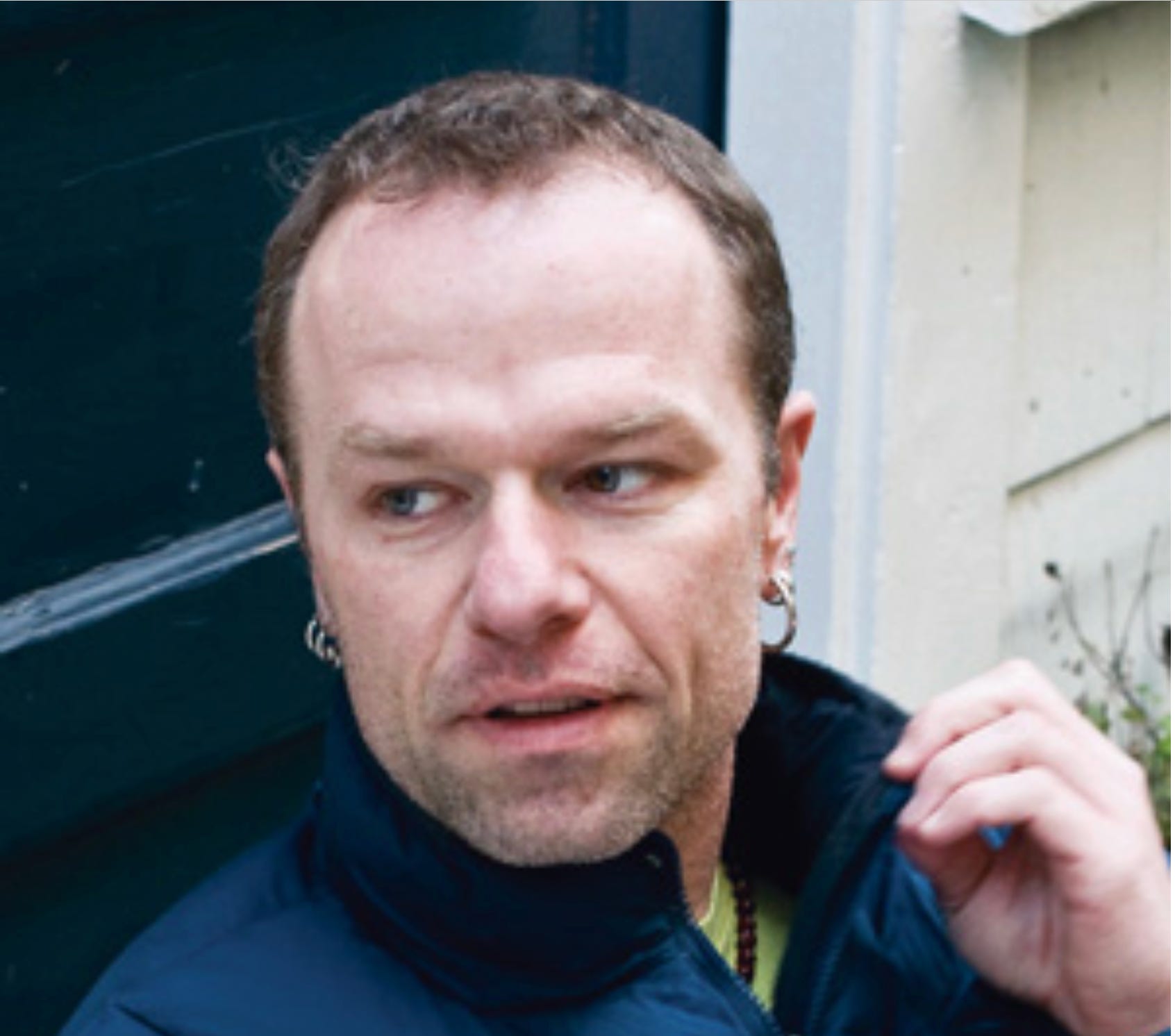
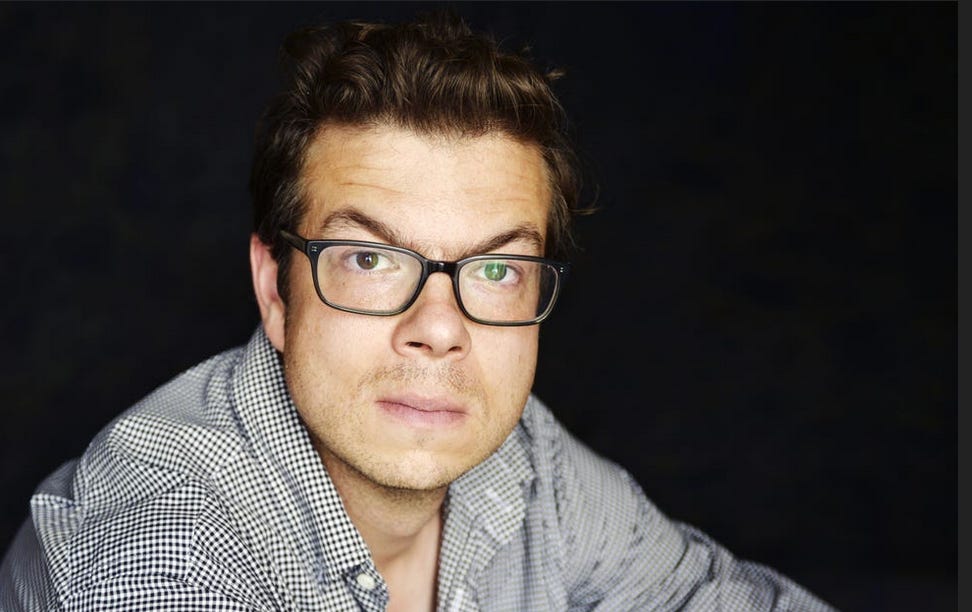
But getting back to this new alt-lit webzine I had found. For some reason, as I glanced through their offerings, a few random names of more esteemed mainstream writers popped into my head: Michael Chabon, Rachel Kushner, Ben Lerner.
I thought to myself: do people at that top tier of literary success ever look at random lit-zines on Substack to see what the kids are up to?
I don’t mean to pick on these three writers in particular, but I think of the many writers I’ve encountered who have reached the highest levels of the literary hierarchy, and who will likely never feel a need to visit Substack.
It’s like once they found the popular kids’ table in the high school cafeteria, they settled in. They weren’t moving. They weren’t leaving that superior position. Or that table. Ever.
*
In most cases, you can’t blame them. These are genuinely mainstream writers. They’re not trying to be edgy. They’re not trying to innovate.
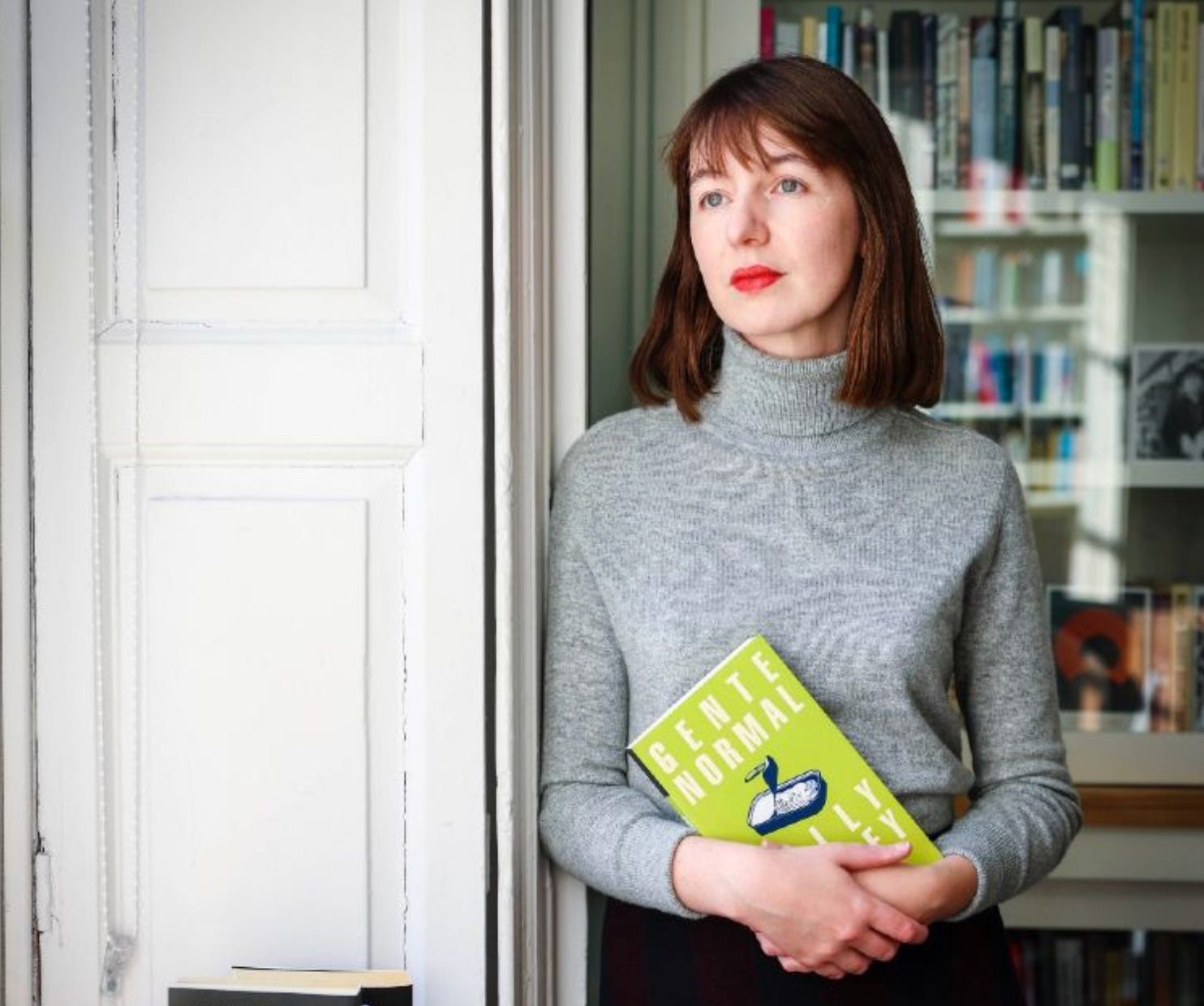
Normie readers love writers like Sally Rooney and Chuck Klosterman, because they deliver solid, acceptable narratives with the right combination of wit and humor and pathos and whatever else.
These authors aren’t going to upset anyone or challenge anything. They are normies themselves, and thus, they are being true to who they are.
*
*
Once writers like these connect to a large mainstream audience, why would they care what anyone beneath their level is doing? Why risk leaving the popular table, just to see what the people at the lesser tables are doing?
For one thing, you might find yourself in the company of unsavory characters. People like Delicious Tacos or Gabi Abreu or Worst Boyfriend Ever.
Or you might find yourself in problematic political territory. You could get cancelled or smeared or dropped from Knopf, just for referencing The Red Scare Podcast, or for even knowing what it is.
Besides which, once you’ve enjoyed the rarified air of Yaddo or McDowell (prestigious artist colonies), once you’ve secured a choice teaching gig at a bucolic liberal arts college, why would you ever concern yourself with the online crowd? Or any of the struggling masses who spend hours on the internet, complaining that they can’t get an agent?
Even if they are interested in what the younger writers are doing, high-level mainstream authors don’t have to dig through the detritus looking for them.
They can just wait and see which young people show up at The National Book Awards and become friends with them then. That way, they know they’ve been vetted. They’ve been authorized and approved.
*
It reminds me of the Beatnik paradox. There were all sorts of talented poets and writers publishing during the Beatnik era. People like John Berryman, Delmore Schwartz, and Robert Lowell. These were the establishment poets. They worked hard and were celebrated and widely acclaimed. They sat at the popular table of their time.
But who do we remember from that era? Not John Berryman. No, now we celebrate the degenerate Beatniks and the outliers who came after: Bukowski and Kathy Acker and Aaron Cometbus.
*

*
I’m not suggesting Substack will rise up and overtake mainstream publishing. Probably, we should think of Substack as the minor leagues of the publishing industry. The more promising people on Substack will eventually be “called up”. While top-level people who falter might be “sent down”.
Naturally, it isn’t always talent that’s the main factor. A lot of people have been “sent down” for political reasons. In these cases, it’s about ideological conformity and promoting certain identity groups over others.
So maybe Substack should be designated “the dissident table” in the high school cafeteria. Or maybe even the “Gulag table”.
*
I myself have always been curious about what the young people are doing, as well as the more transgressive artists. Not that I’m so transgressive myself. But often these people are developing new styles and ways of doing things that you can experiment with yourself.
When I first started my own Substack, it was supposed to be a straightforward travel blog. And so I wrote in a classic journalistic style.
But I had been reading a lot of online writing, including other people’s work on Substack, as well as the latest auto-fiction practitioners.
I quickly saw that shorter paragraphs and a Twitter-esque brevity and immediacy weren’t just passing trends. They were timely innovations.
Since people reading Substack had so much to choose from, creating a spacious look on the page became a priority. Space between thoughts. Space between paragraphs. Letting air in.
All of these stylistic influences came to me from writers who are never going to win a National Book Award. But who have nevertheless advanced the art of prose, with their experiments and honest renderings of how people talk, and therefore how they should write.
*
*
One of my favorite moments in recent literary history was when author Emily Gould had Tao Lin on her “Cooking The Books” YouTube show.
The show was recorded in 2010. Gould—29 at the time—was a former Gawker writer and New York publishing professional. On her show, she invited various young writers to her apartment in Brooklyn to cook and talk shop.
Tao Lin had just published his small press novel Richard Yates, and was still emerging as a new voice in alternative fiction.
Gould no doubt understood Lin was eccentric. Maybe she assumed he was “dinner party eccentric”. That he was one of those funny people she went to college with, who knew just when to say something outrageous (within acceptable boundaries of course).
Unfortunately for her, Tao Lin’s eccentricity went a little deeper than that. In response, she becomes unnerved and is at times rendered speechless. It’s quite entertaining to watch.
*
It was fun too, back in high school, to occasionally see one of the popular kids in a situation where their status was no longer recognized or relevant, when they had strayed too far from the popular table, and were suddenly confronted by something beyond their sphere of social influence.
At which time, they were forced to scurry back to the safety and security of the table to which they belonged.
*
*
*
I enjoyed this! Unfair to Chabon, though, who maintains a Substack and will actually reply to people. But true for everyone else named.
I’ve been liking your stuff a lot lately! Have noticed you’ve been using shorter paragraphs too. It worked well in this piece.