
The Future Was Female
And it still is!
*
Don’t forget to hit the LIKE button if you enjoyed the piece. And consider becoming a paid subscriber to access the archives and support my work!
*
I arrived at Wesleyan University in the fall of 1979. It was a classic small liberal arts college: green lawns, ivy-covered buildings, good-looking prep-school kids walking around in shorts and Grateful Dead T-shirts.
I wasn’t going to college for anything in particular. Except to be around smart people my age. That must sound quite luxurious to young people today. But college didn’t cost hundreds of thousands of dollars then. And student loans were modest, and arranged in a reasonable, non-predatory way.
*
My two main interests were music and writing, so that first semester I signed up for an experimental music class, and an introductory literature course called The American Novel After World War Two.
The American Novel class met in a small lecture hall. On the first day we received the syllabus:
On the Road by Jack Kerouac
An American Tragedy by Norman Mailer
Rabbit, Run by John Updike
The End of the Road by John Barth
One Flew Over the Cuckoo’s Nest by Ken Kesey
Herzog by Saul Bellow
The Crying of Lot 49 by Thomas Pynchon
Slaughter House Five by Kurt Vonnegut
At that time, I might have read something by Kurt Vonnegut. But I didn’t know much about the other writers.
*
*
Someone had told me the teacher of this class was one of the “cool professors” at our school.
Sure enough, that first day he came to the podium wearing a flat-brimmed cowboy hat, faded blue jeans, and scuffed motorcycle boots. He spoke with a low grumbling voice that was hard to hear. He kept the hat down over his eyes so you couldn’t really see his face.
He told us about the class. What we had to do. Read the books, mainly.
I looked around the lecture hall at the other students. They were mostly freshmen and sophomores. About an equal mix of male and female.
Then I noticed three girls who were sitting together near the back. They seemed kind of . . . different than the other students. They were kind of “artsy” in a way. Maybe a little bit “punk”. Or maybe just “dramatic” in their appearance.
They asked a lot of questions. Nobody else was asking questions. What was there to ask? Just read the books. And then we’d talk about them in class.
*
*
I didn’t do well in that course. It didn’t help that the assigned editions were mass market paperbacks with tiny print. I couldn’t follow On The Road at all. The writing was impossibly dense. And why were they constantly driving back and forth across the country?
Rabbit, Run was utterly depressing. The Norman Mailer book was just the author bragging about hanging out with John Kennedy. Thomas Pynchon’s novel was some sort of endless puzzle. Very 1960s. I hated stuff like that.
I didn’t like any of these books. And I didn’t like the Professor either, posing at the lectern like he was Bob Dylan, grumbling his lectures with his cowboy hat over his eyes.
*
We did have discussions. I don’t remember them. But I remember those three girls in the back row. They were constantly upset. They argued. They got mad. They raised their voices.
This was incredible to me. I’d gone to an all-boys Catholic high school in Oregon where you didn’t get mad at your teachers.
These girls seemed to object to everything about the class, including our cowboy professor. Even though he was one of the “cool” instructors.
I could see they had an agenda. Their complaints were political. They were feminists. This was my first experience with such a thing.
*
*
I quickly learned that feminism was a rising power on the Wesleyan campus. It was just beginning in the fall of 1979. But it had a lot of momentum. You could feel it in the air.
That first semester, I learned that there were other male instructors, besides my American Lit professor, who affected an aloof, sex-symbol persona.
Everyone knew who they were. One young professor famously had a life-sized poster of Mick Jagger in his office. To get his female visitors sexually aroused? Or was it an expression of his own Dionysian sexual appetites? Like maybe he was—gasp—bisexual!
I found these professors to be gross. They didn’t seem cool to me. They seemed like posers. My guy with the cowboy hat? He’d get his ass beat in rural Oregon.
But it didn’t matter. These sexy male professors were on their way out. And it was happening fast. The hostility was palpable. Even while some of the more sophisticated female students were still joking about which ones they’d slept with.
*
Looking back, all of this makes sense historically. The 1970s had been the last “masculinist” decade. It was the decade of Clint Eastwood and Charles Bronson, of Easy Rider and Martin Scorsese. It was the era of cock-rock, motorcycles, loner cops, Playboy magazine.
It was definitely the last decade when you could teach a class called The American Novel after World War Two, and not have a single female author included.
It made you wonder: how did my Lit professor think he could get away with that? And were these guys really sleeping with their female students? Apparently, they were.
I just happened to arrive at the end of that era. A new era was coming in fast. The future was female.
*
Eventually, I dropped out of Wesleyan to play in a post-punk band. A year later I enrolled at New York University to finish my degree. At NYU, I was more focused on writing. Away from Wesleyan, reading books on my own, I had broken through whatever psychological barrier prevented me from enjoying the books in my American Novels class. I had since read Updike’s Rabbit is Rich and loved it. I would eventually become a huge Kerouac fan.
Feminism did exist at NYU, but it was more of a fringe movement at that time. Feminists were seen as making good points, but they weren’t particularly charming or funny, and they lacked style. All of which doomed you to oblivion in the early 1980s in New York City.
*
*
I had barely moved into my NYU dorm, when I wandered into St. Mark’s Bookstore in the East Village. This place seemed far more sophisticated and intellectually advanced than the provincial bookstores I was used to.
I went straight to the New Fiction table. Which novels would St. Mark’s consider the most relevant new releases?
I checked the display. It was almost all women. Short stories by women. Slim volumes. Mostly paperback originals.
I’d never heard of most of them. But you could tell by the presentation and trendy cover designs, these were the up-and-coming literary stars: Anne Beattie, Joy Williams, Bobbie Ann Mason, Jayne Ann Phillips, Alice Munro, Renata Adler.
Flipping through these books, it wasn’t that they were female that interested me. It was the simplicity of the prose, the minimalism.
The short stories were short. The sentences were clean. You didn’t get the run-on sentences, the streams of consciousness, the wild rambling amphetamine-inspired descriptions male writers seemed to favor.
No, the 1970s were definitely over. And all that testosterone verbosity was being replaced by this. Clear, clean, minimalist prose. By women.
*
I graduated from NYU in 1984, and after much writing and traveling, I moved back to Portland in 1989. There, I hoped the calm and quiet of my hometown would inspire me to focus and write something—a novel, hopefully—that I could sell.
Once settled, I wrote about what I knew best: Musicians. Music scenes. Life in a rock band. The youth culture of the time. I began by writing a series of short stories set in a fictitious Portland music scene.
But local music, in the late 80s and beyond, was still a male-dominated world. Yes, there were girl bands. And bands with girls in them. But most bands were still all-guys. And the vibe of the clubs, and the music, and the scene in general, was deeply male-centric.
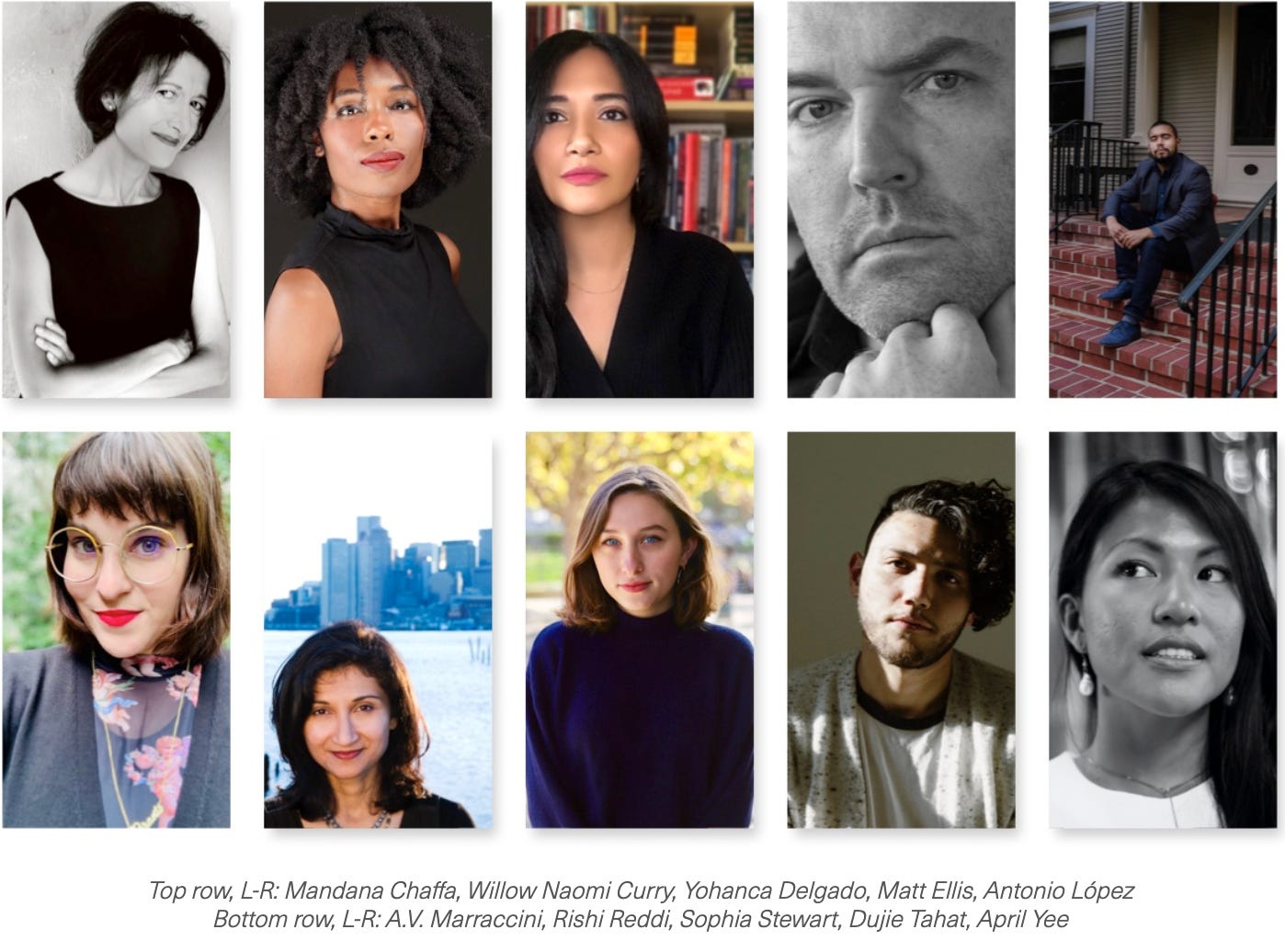
While I developed these stories, I increasingly worried about how to publish them. This was a real problem. The future really was female. The kind of feminism I saw at Wesleyan had made its way into the rest of the world. And especially into the publishing world.
Those three female students who harrassed my American Novel professor? There were young women just like them, working as “first-readers” at Random House and The Paris Review and all the other places I hoped to be published.
These were the generation of women who got American Psycho cancelled. And I was going to send them gritty, realistic stories about the lives of young male rock musicians? They were going to hate them!
*
*
The solution came when I wrote a short story from the point of view of a high school girl, whose artsy friend starts a band that eventually leads them into the Portland indie-rock scene.
That story became a novel. And because the girl narrator was a high school student, the book could also be about growing up in the suburbs. The state of society. The youth of America. Which is what all good first novels should be about.
*
This book was a breakthrough for me. Writing from a guy’s perspective had been agonizing. If you were being honest, almost nothing that passed through a young man’s mind would be acceptable in the newly feminized literary world.
But to describe that same music scene from a girl’s perspective. . . that had potential. People were going to love that!
This filled me with confidence. It gave me incredible freedom. I could say anything. I could be controversial. I could describe people and events as I truly saw them—as long as it was coming out of a girl’s mouth and not a boy’s.
*
That novel was eventually published and did very well. It enabled me to have a career. But I never felt comfortable in the 1990s publishing world. There were so many things you couldn’t write about. So many stories you couldn’t tell.
*
Unfortunately, that’s nothing compared to what young male writers face now. They don’t have to worry about offending female editors and agents. Their problem is getting anyone to read their work.
Back when I was starting, I assumed the pendulum would swing back at some point. That sooner or later, another decade like the 70s would come along, and male writers would flourish again.
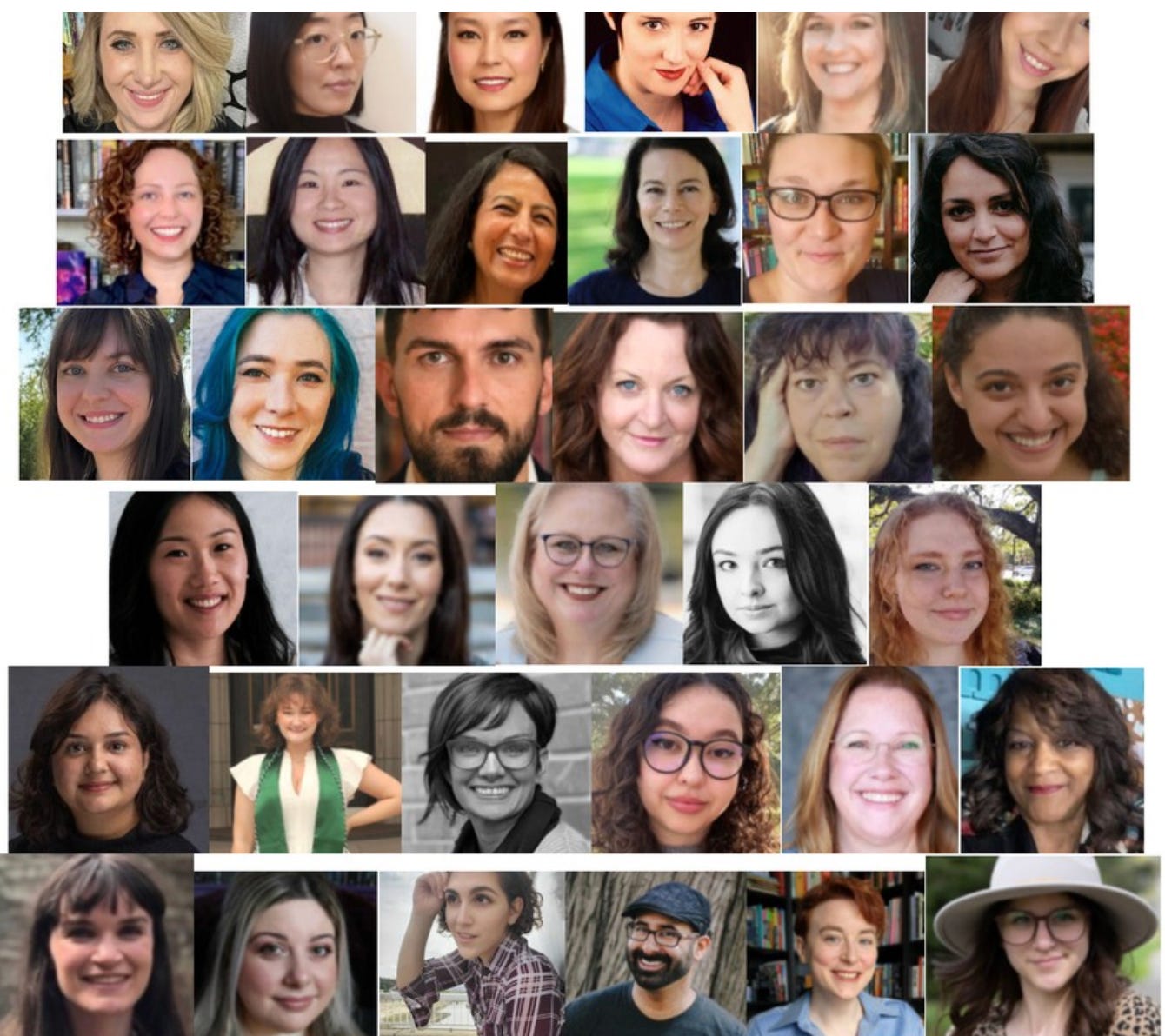
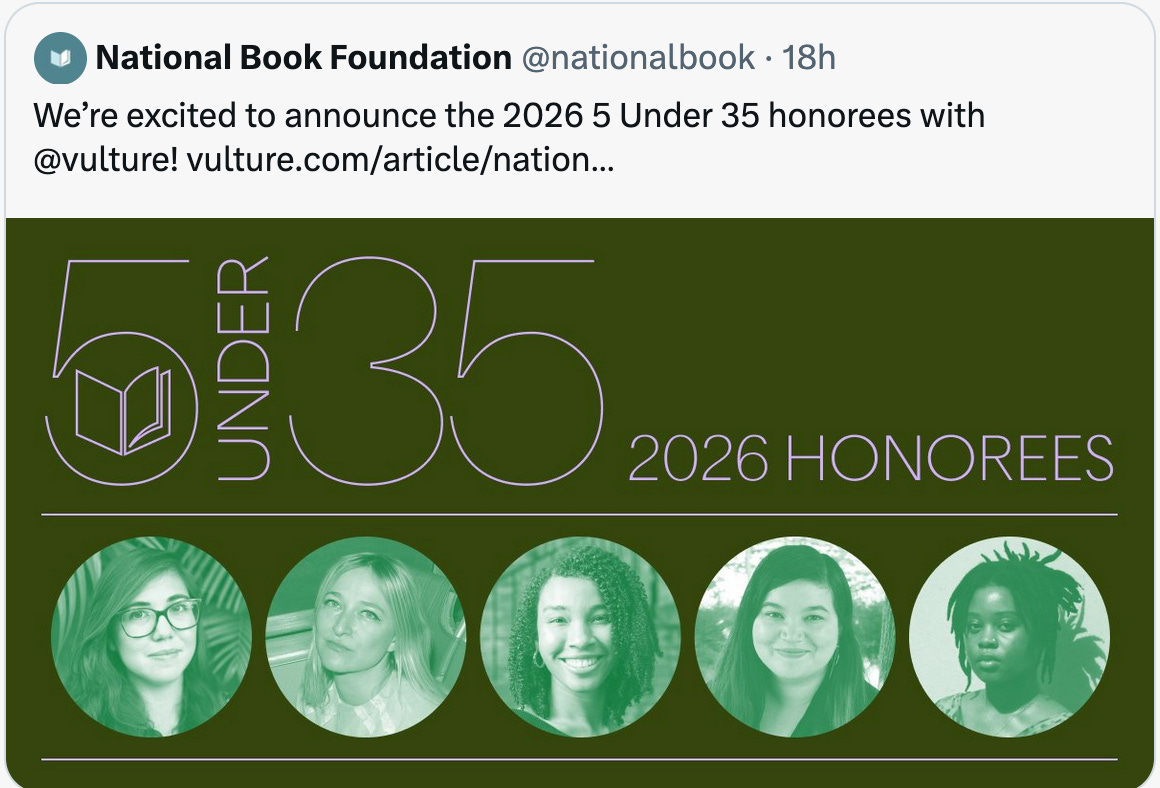
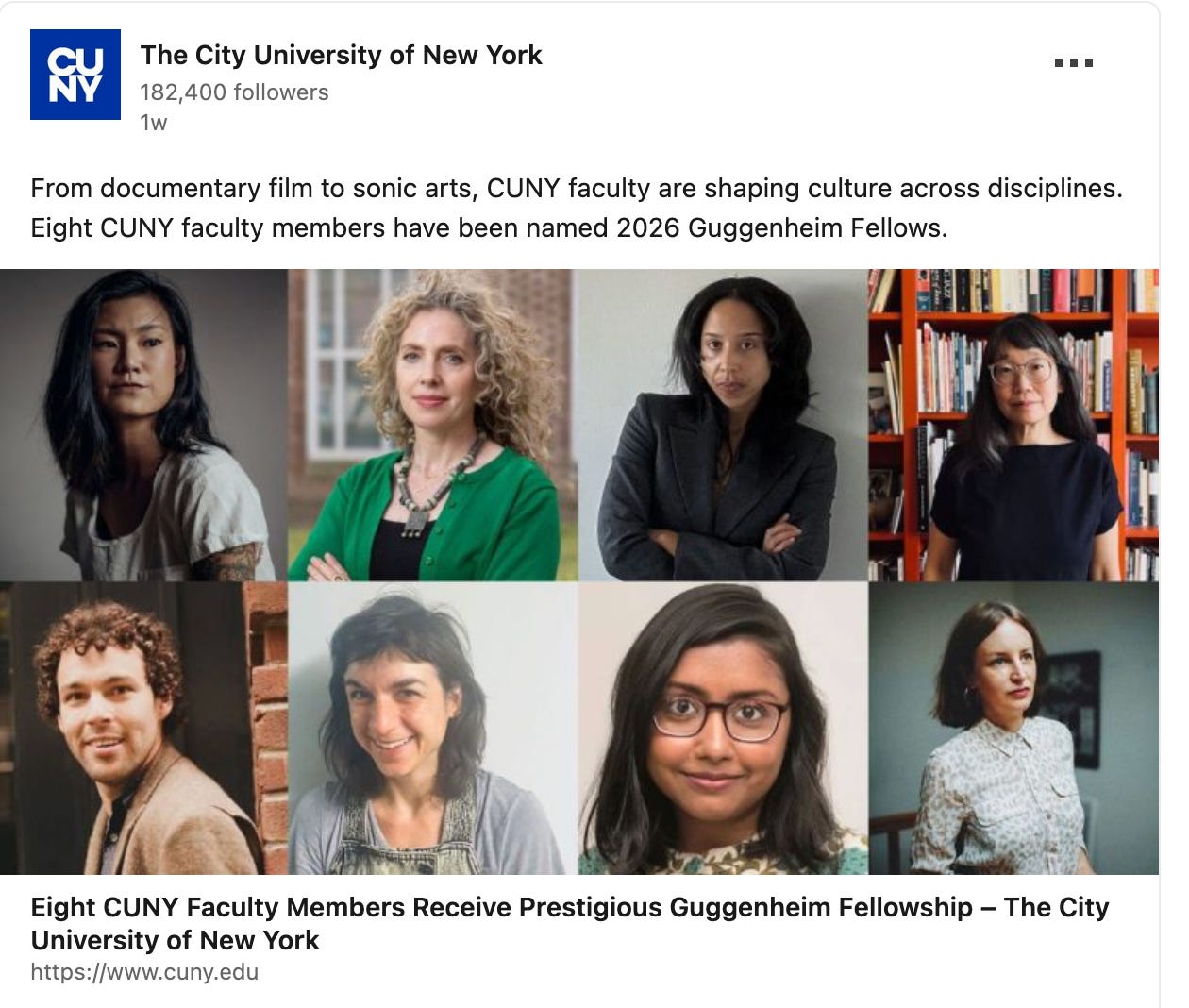
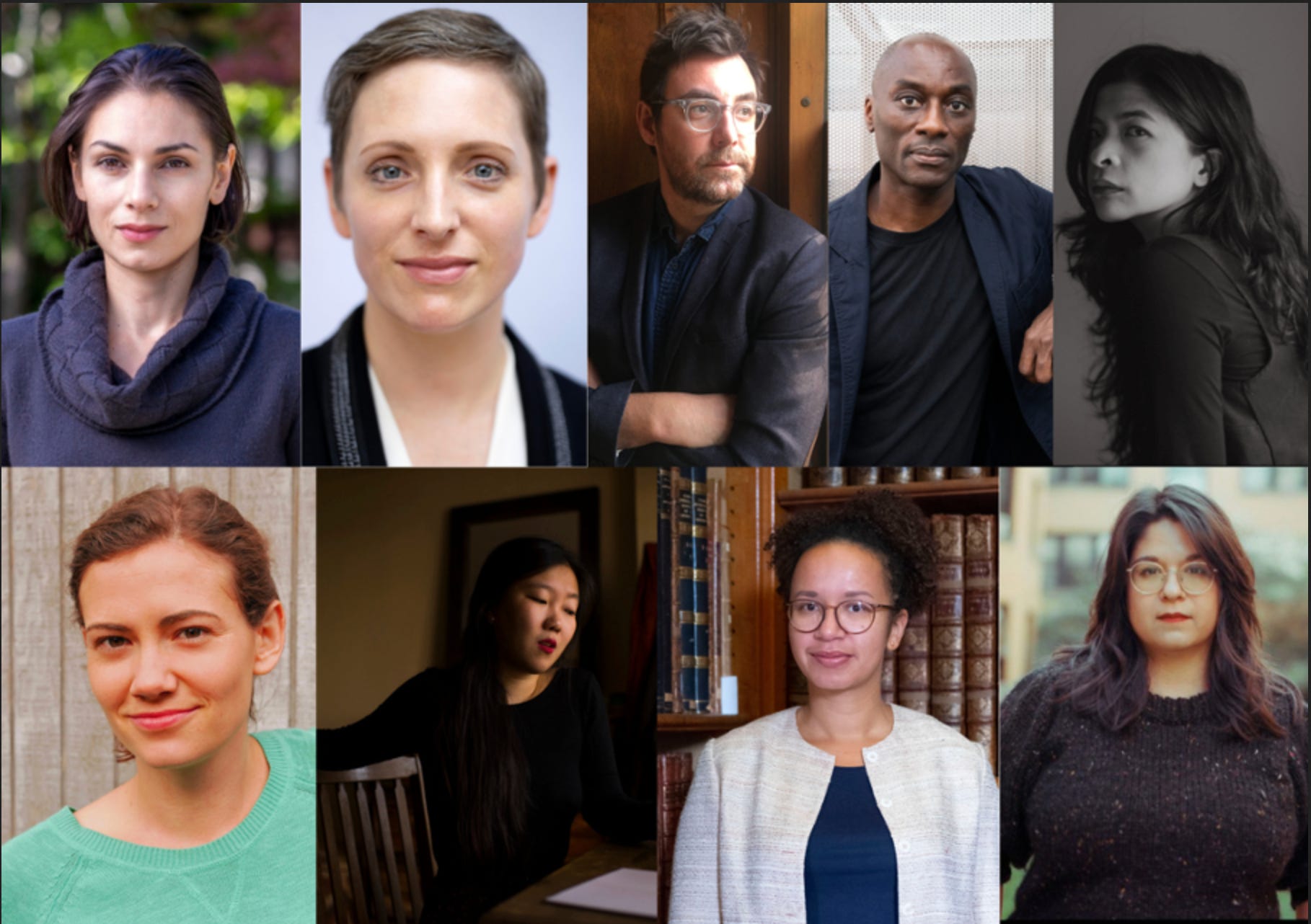
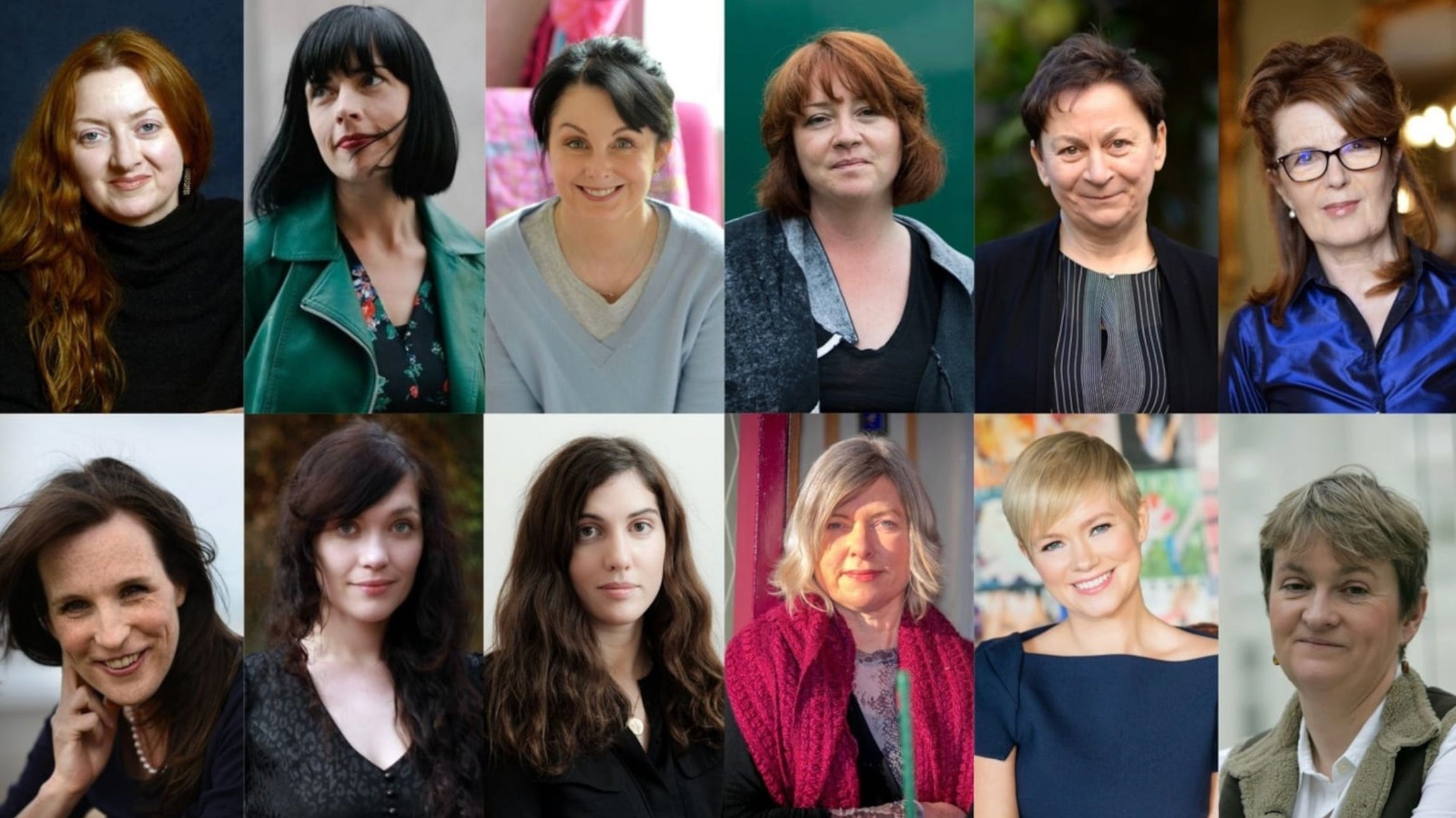
But the female future never stopped arriving. The future just keeps becoming more and more female. To the point that young male writers in 2026 have been effectively excluded from mainstream publishing.
*
*
Maybe this adversity will benefit the younger generation in some way. As I write this, all sorts of alternative male literary spaces are coming into existence. There is a growing energy in that sphere.
Also, the stigma of self-publishing and small presses is gone. Everyone knows these avenues are where best new talent is most likely to emerge.
But for male writers with mainstream sensibilities, it’s a waiting game. When will the dam burst? When will gender absolutists lose their grip? When will the male perspective not only be allowed, but valued?
We so obviously need that in our writing. And in our culture. And in everything else.
*
This piece originally appeared in THE REPUBLIC OF LETTERS.
I am hoping that you’re writing, or have thought about writing, a memoir?
If it takes as long to swing back as it did for women to get published in the first place, I'm afraid it will be a long wait. But I don't think that will happen, I think it will become more equal. I read mostly male writers until women began to get published more. Now I read mostly women authors, but some men too. I read authors from other countries, indigenous authors, LGBTQIA+2S authors too.